

I was talking about the astonishing rise of AI-assisted coding with my friend Josh recently, and he said he was going to miss the craftsmanship aspect of actually writing code.
Now, I’m a big believer that software is a craft, not an engineering endeavor. The term “engineering” implies a certain amount of certainty and precision that can never be replicated in software. I’ve never been a big fan of the term “computer science” either, because again “science” implies the scientific method and a certain amount of repeatability. Part of what makes software development so hard is that no two projects are even remotely alike, and if you tried to repeat a project, you’d get a completely different result.
Some like to argue that writing software is like painting, but I’ve never followed that route either. Artists are usually free-flowing and unbound, restrained only by convention—and many artists feel utterly unrestrained even by convention.
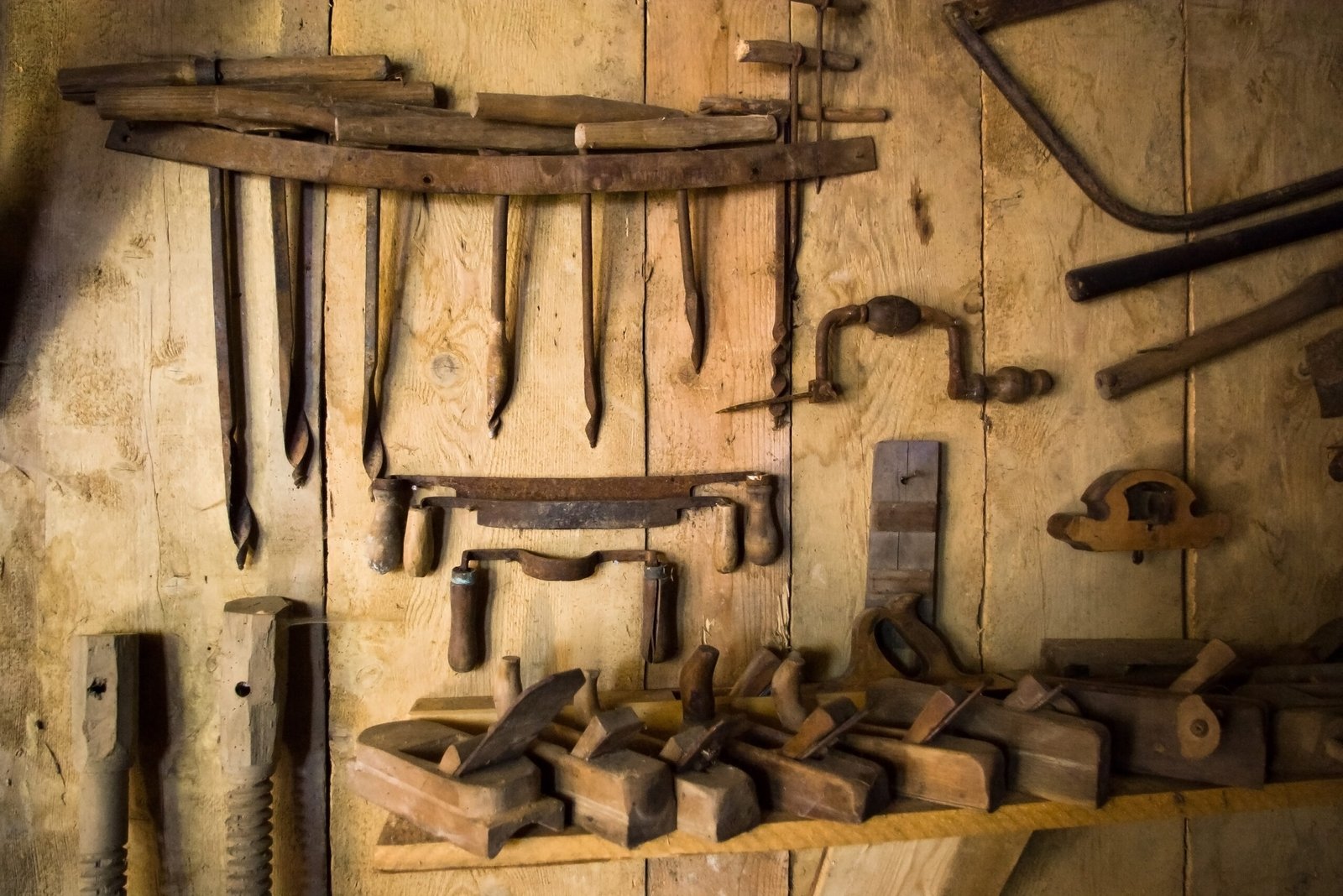
Software always seems to be somewhere in between. The consensus among many developers—Uncle Bob Martin among them—is that writing software is a craft, more akin to carpentry or watchmaking. All three practices are somewhat limited by the physical properties of the materials. They require precision to get good results, and this precision requires care, commitment, and expertise.
So I get Josh’s feelings of loss about no longer being able to wield the craft of software development.
The conversation got a touch more interesting, though, when I said, “Well, think of it this way: You are now a senior craftsman with a tireless, eager, and constantly learning apprentice who is completely willing to do all the work in the shop without a single complaint.”
And that is quite a thought. Sure, we senior craftspeople celebrate writing elegant code, constructing beautiful class hierarchies, and designing working software. But I will admit that a lot of the work is tedious, and having an unflagging coder grinding out the “dirty work” is a really nice thing.
But it can become more than that. Your coding apprentice can build, at your direction, pretty much anything now. The task becomes more like conducting an orchestra than playing in it. Not all members of the orchestra want to conduct, but given that is where things are headed, I think we all need to consider it at least. The results are the same. You can dabble as much in code as you want. You can check every line, merely review the overall architecture, or, if you are like me, you can be quite content with moving past the grind of actually writing code to orchestrating the process and ensuring the proper final result.
Nevertheless, I feel Josh’s angst. I will miss the satisfaction of writing the lovely procedure that does one thing cleanly and quickly, of creating the single object that does everything you need it to do and nothing more, of getting things working just right. All of that is gone, as are the conductor’s days of playing a spotlight solo. It’s hard, but it’s where we are.
It’s not unlike choosing to become a manager—you leave behind your coding days for a different role. Sure, you miss the good old days of programming every day, but the new challenges are valuable and satisfying.
There are folks out there who write carefully crafted assembly. And in a few years, there will be folks doing the same thing with Java and C# and Pascal. Coding will soon become a quirky pastime, written only by eccentric old developers who relish the craft of software development.
It’s only been a few months, but I already view Claude Code as nothing more than an elaborate compiler, and the code it produces (in whatever language) as assembly code.
Go to Source
Author: