
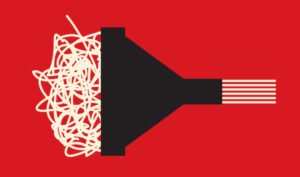
As enterprises scale AI, they are inadvertently worsening an existing data crisis. The resulting surge in telemetry is overwhelming infrastructure already strained by the shift to multi-cloud environments, applications, and IoT, which is driving inflated costs. Organizations are paying for the collection, storage, and processing of massive data logs that often provide little business value.
This pressure is being felt with 66% of enterprises regularly experiencing unexpected costs or overages related to observability tools and 95% of enterprises actively taking steps to reduce observability costs. But cutting costs is only half the battle; enterprises also need to move data like never before.
Today’s applications require a constant stream of data to work correctly. Systems must talk to each other in real-time, which generates terabytes of traffic each day. Now, AI and machine learning are completely changing how enterprises manage these flows, requiring information to move seamlessly in an instant between different clouds, analytic tools, and AI frameworks.
The era of blindly paying for unmanaged data is over. To maximize the value from data pipelines without overspending, enterprises are pivoting to OpenTelemetry to regain control.
Observability’s Hidden Tax
For enterprises to reclaim their budget, they must first address inefficiency—the “hidden tax” of observability facing many DevOps teams. Every organization is essentially rebuilding the same pipeline from scratch, and when configurations aren’t standardized, engineers aren’t learning from each other; they’re actually repeating the same trial-and-error processes thousands of times over.
This duplicated effort leads to a waste of time and resources. It often takes weeks to manually configure collectors, processors, and exporters, plus countless hours of debugging connection issues. This complexity has already been solved by thousands of other organizations, but many teams are left blissfully unaware that the optimal settings for their workload have already been refined elsewhere in the industry.
While some enterprises may choose proprietary vendors to help them with this complexity, third-party solutions only exacerbate the issue. These tools promise better data management and lower storage costs, but the resulting vendor lock-in often creates additional long-term challenges. If data outgrows the proprietary vendor solution, transitioning to new platforms is both complex and expensive. So, when a business needs to shift, they often find themselves constrained by existing vendor relationships, unable to pivot without substantial rework of their data pipeline.
The Effects of Redundancy
Dealing with massive quantities of data in an inefficient manner can also lead to higher costs for organizations, worsening the very thing they wish to solve. Organizations often use multiple tools and agents for data collection, which requires specialized knowledge across distributed systems such as data engineering, security, and machine learning. Managing these systems in silos puts additional strain on resources and often results in the need to increase staffing or conduct specialized training, all adding financial burdens and time-constraints.
If data engineers are stuck in a cycle of trial-and-error to manage their massive telemetry, then organizations are stuck drinking from a firehose instead of proactively managing their data in a targeted manner. In a world where AI demands immediate access to enormous volumes of data, this lack of flexibility becomes a fatal competitive disadvantage. If enterprises want to succeed in an AI-driven world, their data infrastructure must be able to handle the rapid velocity of data in motion without sacrificing cost-efficiency.
Identifying and mitigating these hidden challenges and costs is imperative if enterprises want to turn their data into an asset rather than a liability.
Reclaim Budgets and Control with OpenTelemetry
Enterprises looking to maximize the value of their data are shifting to open-source frameworks, such as OpenTelemetry (OTel). By building data pipelines on OTel, enterprises can ensure they remain flexible and vendor-agnostic, allowing them to pivot instantly as business needs change.
OTel is a standardized framework that simplifies the collection and processing of telemetry data across diverse programming languages and operating systems. By eliminating the need for multiple proprietary tools, OTel reduces the complexity and operational costs of managing telemetry at scale.

(MZStock/Shutterstock)
OTel also pools together expertise from top data engineers at the world’s leading organizations to solve core operational challenges, giving enterprises access to a unified framework that has been built and refined by the industry’s best practitioners. By providing a standardized approach, OTel reduces the learning curves and trial-and-error processes in pipeline implementation, essentially removing duplicative work. Additionally, there are consistent updates that continuously improve compliance and security embedded into this framework. Powered by the global community, the platform is always evolving to address the day-to-day challenges CIOs and engineering teams face when future-proofing their data infrastructure.
With this approach, enterprises can gain better data insights in a cost-effective way. Ultimately though, the real power comes from OTel’s adaptability, allowing enterprises to improve continuously.
For enterprises to successfully build their data pipelines on OpenTelemetry, they should implement these three practices:
● OTel Collector: When creating a telemetry pipeline using OpenTelemetry, enterprises will need to set up an OpenTelemetry-compatible collector as the main processing unit. This collector brings together data from different sources, makes changes to it, and sends it to the right places. By transforming and enriching data within the pipeline, organizations’ systems become more interoperable and flexible.
● Centralize Management: Centralized management brings all telemetry agents and settings into one place, giving organizations greater control over their observability setup while streamlining operations and reducing the costs of managing disparate telemetry systems. This also helps organizations quickly find and fix problems, reducing the work needed to maintain pipelines and lowering the chance of setup mistakes. OpenTelemetry supports centralized management using protocols like OpAmp, which enables remote setup and monitoring of telemetry agents.
● Filter Through Data: It’s crucial for organizations to use tools offered within the OTel framework that selectively filter data and route lower-value data to low-cost storage. This reduces storage and processing costs while improving visibility into critical data, making analysis faster and more efficient.
Eliminate Observability Tax with Smarter Pipelines
Moving data pipelines to OTel allows enterprises to not only reduce costs and process data faster but empowers them to be smarter about the telemetry they’re collecting.
In complex IT environments where AI is rapidly evolving, organizations must be able to adjust their data infrastructure in real-time as needs shift, without the manual clean-up that it would traditionally require. Simplifying the ingestion process with OTel enhances data distribution and provides the flexibility to adapt as needs evolve, allowing organizations to future-proof their observability for operational resiliency.

(Anggalih Prasetya/Shutterstock)
When organizations reclaim complete control of their data pipelines, they can gain a competitive edge. The shift to a community-driven open-source platform ensures that enterprises can move beyond vendor lock-in and be provided with the foundation to scale and adopt new technologies like AI without costly rework or overwhelming DevOps teams with telemetry noise.
About the author: Mike Kelly is the Founder and CEO of Bindplane and a telemetry industry veteran. At Bindplane, he leads the company’s mission to simplify and scale enterprise observability through OpenTelemetry and cloud-native innovation. With over two decades of experience spanning software engineering, product leadership, and executive management, Michael has built a career at the intersection of data infrastructure and modern observability.
If you want to read more stories like this and stay ahead of the curve in data and AI, subscribe to BigDataWire and follow us on LinkedIn. We deliver the insights, reporting, and breakthroughs that define the next era of technology.
The post The End of the ‘Observability Tax’: Why Enterprises are Pivoting to OpenTelemetry appeared first on BigDATAwire.
Go to Source
Author: Mike Kelly