





If JavaScript were a character in a role-playing game, its class would be a Rogue. When it was a youngster, it was a street kid that lived on the margins of society. Over time, it has become an established figure in the enterprise hierarchy. But it never forgot where it came from, and you never know what sleight of hand it will perform next.
For example, fine-grained Signals are mounting a rebellion to overthrow the existing Virtual DOM hegemony. Incremental improvements to WebAssembly have reached the point where a real SQL database can be run inside the browser. Coupled with ingenious architectural patterns, this has opened up new possibilities in app data design.
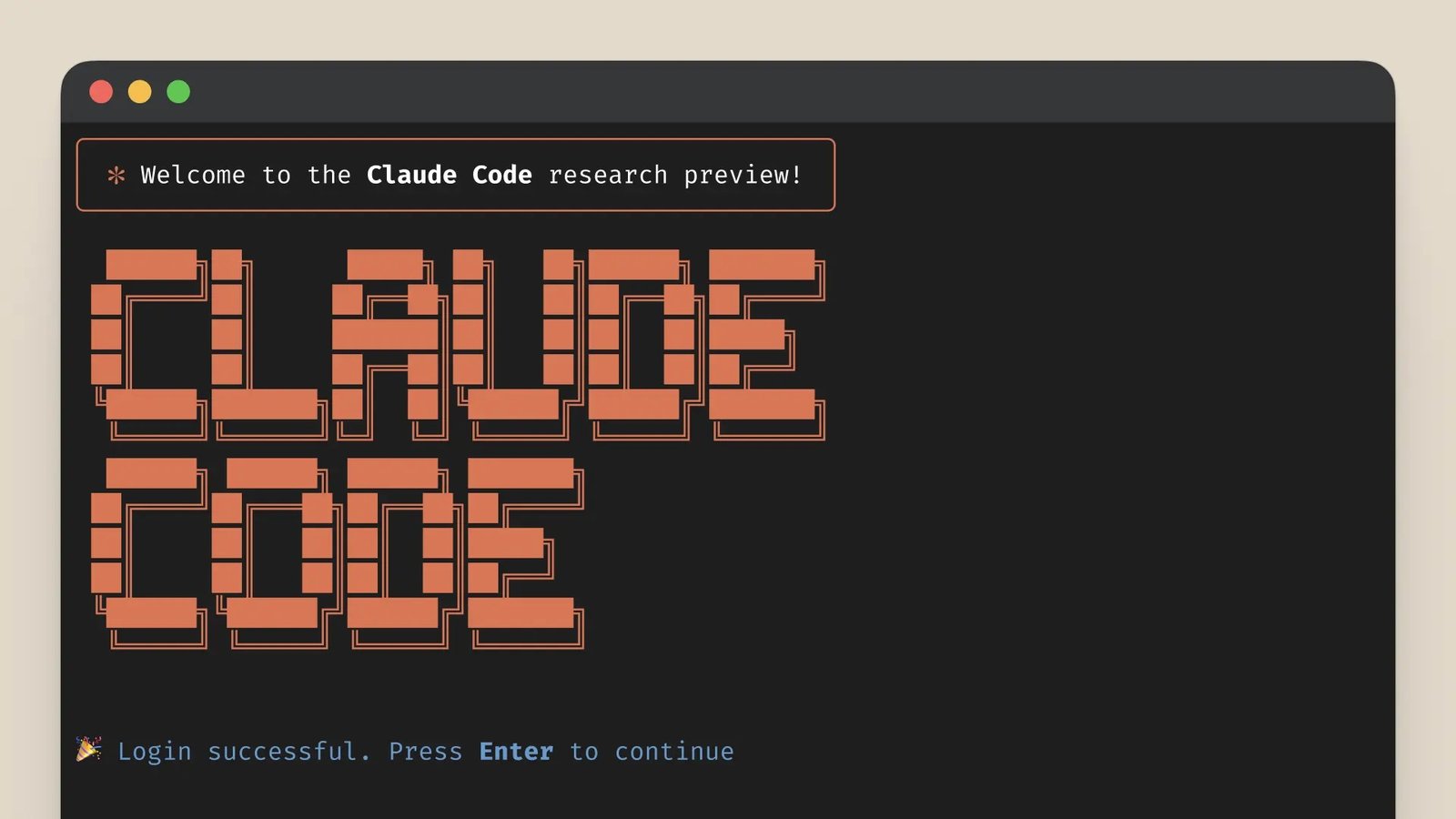
In other JS developments, the upstart performance runtime, Bun, has spawned a native app framework, Electrobun. Welcome to our latest roundup of the JavaScript news and noteworthy.
Top picks for JavaScript readers on InfoWorld
First look: Electrobun for TypeScript-powered desktop apps
Electron (the native-web bridge framework) has always struggled around performance. Electrobun is a (predictably named) new alternative that uses the Bun runtime, famous for its intense performance. Electrobun claims to produce far smaller bundles than regular Electron by dropping the bundled browser, and it comes with its own differential update technology to simplify patches.
The revenge of SQL: How a 50-year-old language reinvents itself
SQL is making an improbable comeback in the JavaScript world. Driven by the ability to run database engines like SQLite and PostgreSQL right inside the browser via WebAssembly, and the rise of the schemaless jsonb type, developers are discovering that boring old SQL is highly adaptable to the modern web.
Why local-first matters for JavaScript
Every developer should be paying attention to the local-first architecture movement. The emerging local-first SQL data stores crystallize ideas about client/server symmetry that have been a long time coming. This shift simplifies offline capabilities and fundamentally changes how we think about UI state.
Reactive state management with JavaScript Signals
State management remains one of the nastiest parts of front-end development. Signals have emerged as the dominant mechanism for dealing with reactive state, offering a more fine-grained and performant alternative to traditional Virtual DOM diffing. It is a vital pattern to understand as it sweeps across the framework landscape.
JavaScript news bites
- Project Detroit, bridging Java, Python, JavaScript, moves forward. Here is an interesting effort to bring Java, Python, and JS into a unified context. It has Oracle’s backing and is gaining steam.
- Kotlin 2.3.20 harmonizes with C, JavaScript/TypeScript. Some very interesting expansions to Kotlin’s interop support.
- Angular releases patches for SSR security issues. A security patch that addresses vulnerabilities that could allow attackers to steal authorization headers.
More good reads and JavaScript updates elsewhere
Next.js 16.2 introduces features built specifically for AI agents
In a fascinating and forward-looking move, the latest Next.js release includes tools designed specifically to help AI agents build and debug applications. This includes an AGENTS.md file that feeds bundled documentation directly to large language models, automatic browser log forwarding to the terminal (where agents operate), and an experimental CLI that lets AI inspect React component trees without needing a visual browser window.
TypeScript 6.0 is GA
The smashingly popular superset of JavaScript is now GA for 6.0. This is the last release before Microsoft swaps out the current JavaScript engine for one built on Go. The TypeScript 6.0 drop is most important as a bridge to Go-based TypeScript 7.0, which the team says is coming soon (and is already available via npm flag). If you can run atop TypeScript 6, you are in good shape for TypeScript 7.
Vite 8.0 arrives with unified Rolldown-based builds
Vite now uses Rolldown, the bundler/builder built in Rust, instead of esbuild for dev and Rollup for production. This move simplifies the architecture and brings speed benefits without breaking plugin compatibility. Pretty impressive. The Vite team also introduced a plugin registry at registry.vite.dev.
Go to Source
Author: